
Advanced Composite Materials Powering the Next Generation of Drones and UAVs
Key Points
The rapid growth of the drone industry has transformed sectors such as defense, agriculture, logistics, surveillance, and aerial mapping. At the heart of this transformation lies material innovation,…
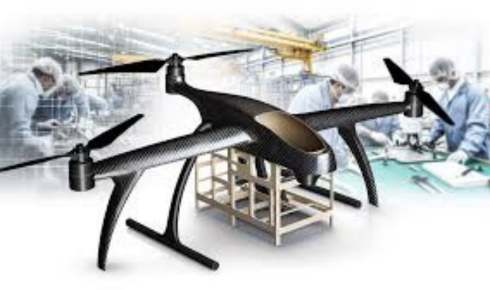
The rapid growth of the drone industry has transformed sectors such as defense, agriculture, logistics, surveillance, and aerial mapping. At the heart of this transformation lies material innovation, especially the rise of composites for drones, which offer an unmatched combination of strength, light weight, and design flexibility. As unmanned platforms evolve into more capable and specialized systems, composite materials are playing a decisive role in shaping performance, endurance, and reliability.
Modern UAVs demand structures that can withstand high aerodynamic loads while remaining extremely lightweight. Traditional metals like aluminum or steel often fall short due to higher density and limited fatigue resistance. This is where UAV composites come into focus. These materials, typically made from carbon fiber, glass fiber, or aramid fibers embedded in polymer matrices, deliver high stiffness-to-weight ratios and excellent resistance to corrosion and environmental stress.
Also read: Olfapedia: Discover the World of Modern Fragrances for Every Personality
UAS composite materials are now widely used across airframes, wings, fuselages, propellers, and internal structural components. Their ability to be tailored for specific load paths allows engineers to optimize drone designs for speed, payload capacity, or long-endurance missions. For example, high-modulus carbon fiber composites are ideal for long-range surveillance drones, while impact-resistant composite blends are preferred for tactical or delivery UAVs operating in complex environments.
Another major advantage of composite materials in UAV manufacturing is design freedom. Complex aerodynamic shapes can be molded with precision, reducing drag and improving overall flight efficiency. This not only enhances performance but also lowers energy consumption, which is critical for battery-powered drones. As a result, composite-intensive UAV designs can achieve longer flight times and improved operational range compared to metal-based alternatives.
Among the most significant advancements in this field is the use of UAV prepregs. Pre-impregnated composite fabrics contain precisely measured resin content, ensuring consistent quality and mechanical performance. Prepregs enable better fiber alignment, reduced void content, and superior surface finish, all of which are crucial for aerospace-grade UAV components. They are particularly popular in high-performance and defense-related drone programs where reliability and repeatability are non-negotiable.
Also read: What Makes MiniTec Extruded Aluminum Framing Compatible With Lean Layouts
Manufacturing efficiency is another area where composites are driving innovation. Snap cure composites, for instance, allow for dramatically reduced curing times without sacrificing strength or durability. These fast-curing systems are especially valuable for high-volume UAV production, where reducing cycle time directly impacts cost and scalability. By enabling rapid molding and curing, snap cure technologies help manufacturers meet growing market demand while maintaining tight quality standards.
Sustainability is also becoming an important consideration in the drone industry. Composite manufacturers are increasingly developing recyclable resins and bio-based fibers to reduce environmental impact. Lightweight composite UAVs consume less energy during operation, indirectly contributing to lower emissions, especially in commercial and logistics applications. As regulations and environmental awareness grow, sustainable composite solutions are expected to gain even more traction.
Looking ahead, the future of drones is closely tied to continued advancements in composite science. Innovations such as nano-reinforced composites, multifunctional materials with embedded sensors, and hybrid fiber systems promise even greater performance gains. These developments will support next-generation UAVs capable of autonomous operations, heavier payloads, and extended missions in challenging conditions.
Also read: Badgerys Creek Workspaces Bloom with Tropical Plant Rentals
In conclusion, composite materials have become the backbone of modern drone engineering. From structural efficiency and aerodynamic optimization to faster manufacturing and sustainability, composites are redefining what UAVs can achieve. As technology progresses, the strategic use of advanced composite materials will remain a key driver in the evolution of drones and unmanned aerial systems worldwide.

Related Posts
 General
Olfapedia: Discover the World of Modern Fragrances for Every Personality
Fragrance has always been more than just a beauty product. A good perfume can reflect personality,…
 General
What Makes MiniTec Extruded Aluminum Framing Compatible With Lean Layouts
Efficiency depends on how easily workspaces adapt to new demands, new tools, and new processes. MiniTec…
 General
Badgerys Creek Workspaces Bloom with Tropical Plant Rentals
Discover how the industrial landscape of Badgerys Creek is being transformed by the trend of incorporating…